Wholesale Supply of Fresh Herbs and Vegetables

Why Sustainable Farming Matters
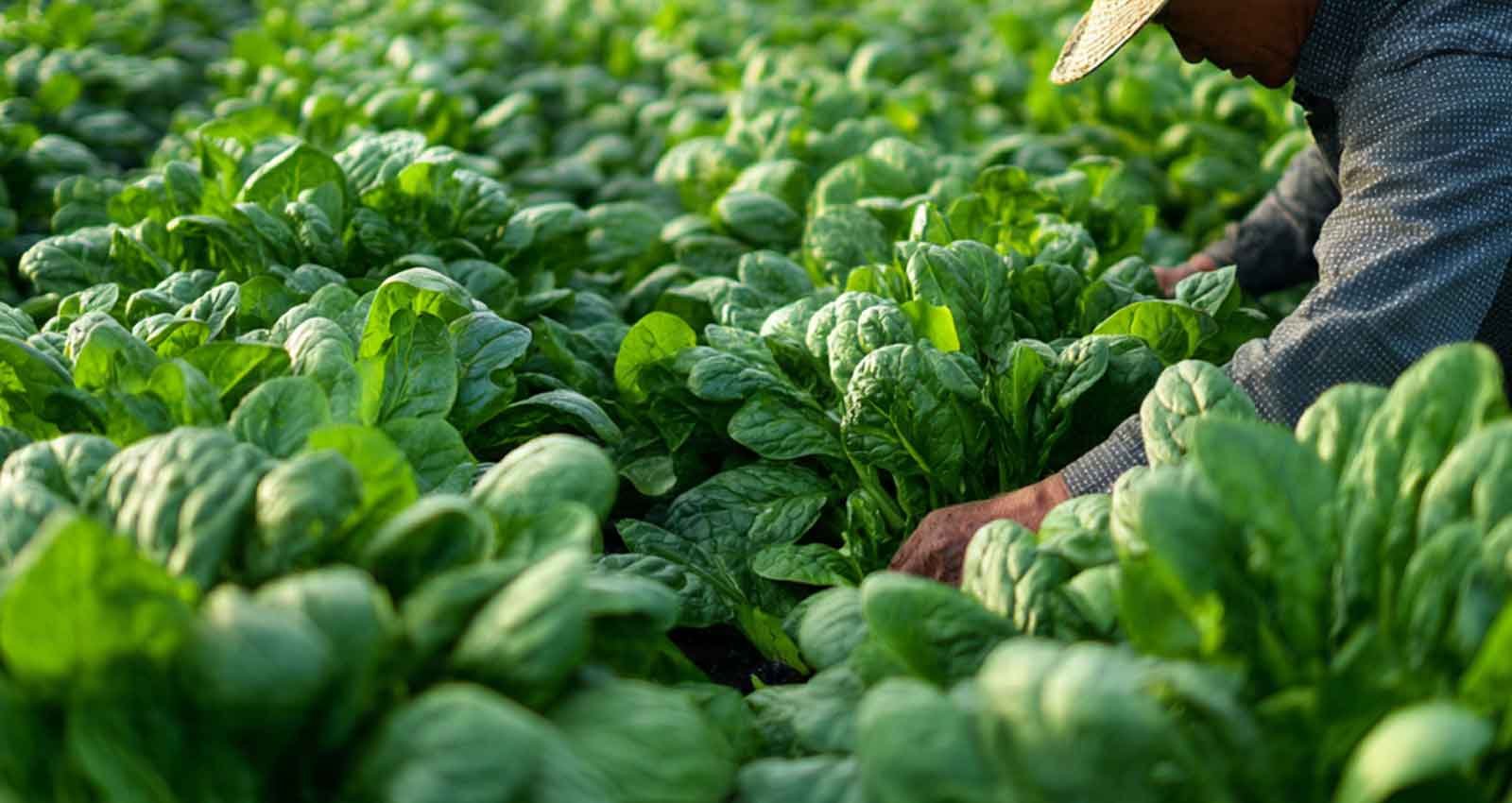
Modern agriculture faces growing challenges such as climate change, soil degradation, and limited natural resources. Sustainable farming practices aim to address these challenges by focusing on long-term balance rather than short-term productivity. The goal is simple: produce healthy crops while protecting the land that makes farming possible.
Building Healthy Soil
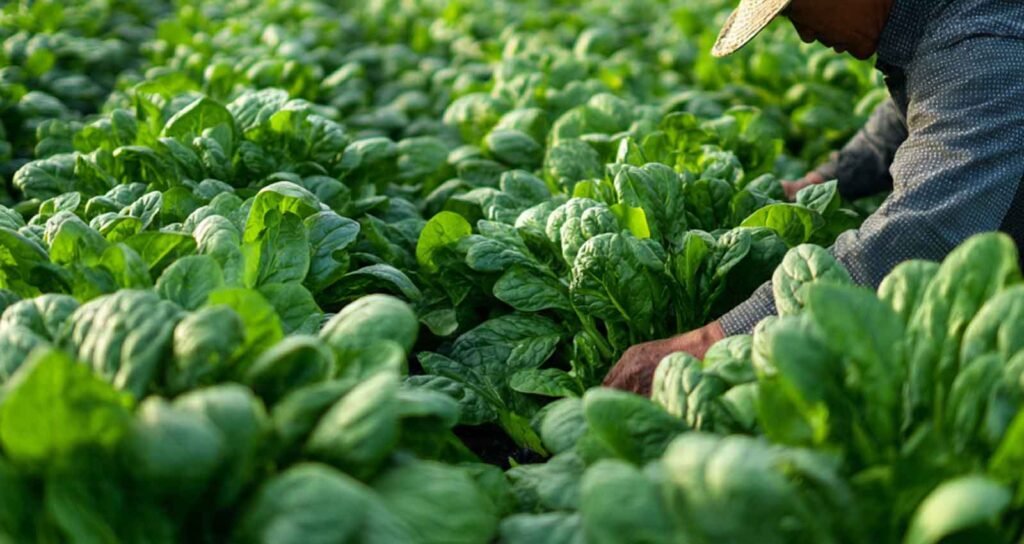
Soil health is the foundation of sustainable agriculture. When soil is well-managed, crops grow stronger and are more resistant to stress and disease. Farmers improve soil quality by using methods such as:
- Crop rotation to prevent nutrient depletion
- Adding organic matter to improve soil structure
- Reducing excessive tillage to protect soil life
Healthy soil holds moisture better, reduces erosion, and supports beneficial microorganisms that naturally enrich the land.
Smarter Use of Water
Water is one of the most valuable resources in farming. Sustainable practices focus on using water efficiently and responsibly. Many farms adopt modern irrigation systems that deliver water directly to plant roots, minimizing waste.
Key water-saving approaches include:
- Controlled irrigation schedules
- Monitoring soil moisture levels
- Preventing runoff and evaporation
These practices help conserve water while ensuring crops receive consistent hydration.
Reducing Environmental Impact
Limiting the overuse of synthetic fertilizers and pesticides is a key part of sustainable agriculture. Instead of relying heavily on chemicals, farmers increasingly use:
- Natural pest control methods
- Targeted treatments only when needed
- Organic or compost-based nutrients
This approach protects surrounding ecosystems and improves long-term soil health.

Encouraging Natural Balance
A balanced ecosystem supports healthier crops. Sustainable farms encourage biodiversity by protecting pollinators, beneficial insects, and nearby plant life. These natural allies help manage pests and improve crop resilience without heavy intervention.
Long-Term Benefits of Sustainable Agriculture
Sustainable farming offers benefits beyond immediate harvests. It protects natural resources, supports consistent quality, and helps farms adapt to changing environmental conditions. By caring for the land today, agriculture remains productive for future generations.